Research
Our lab studies learning and memory (re)consolidation.
DECLARATIVE MEMORY AND DISTRACTION – CURRENT RESEARCH
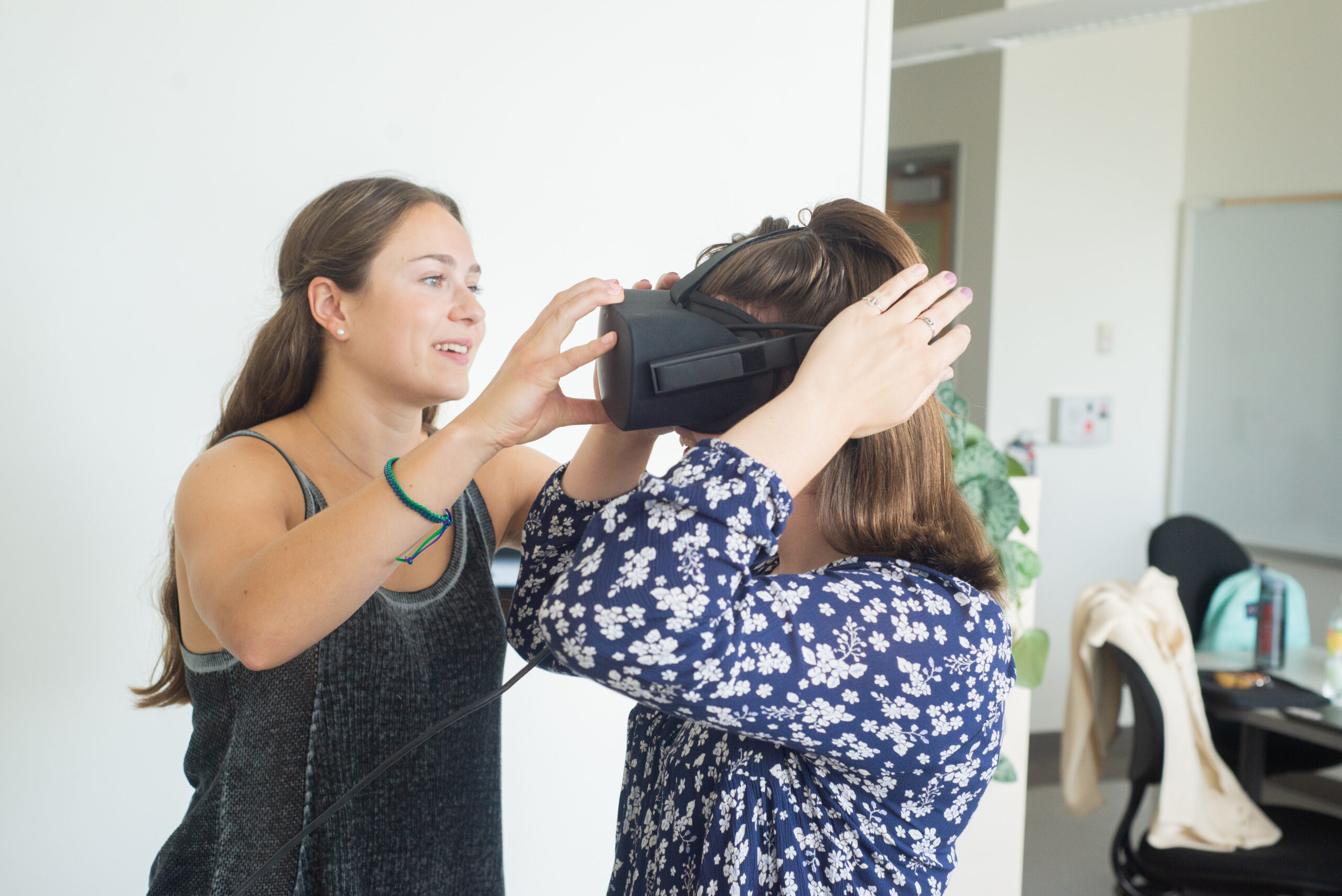
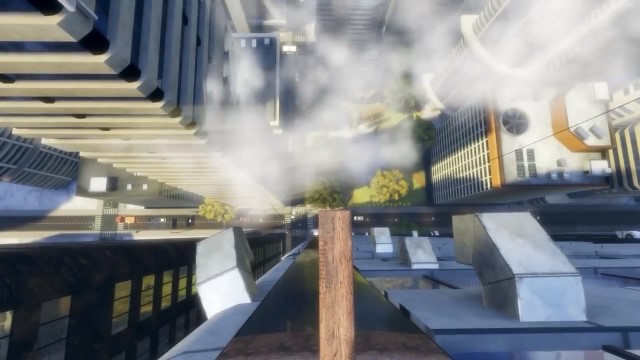
Researchers in our human memory lab employ virtual reality as a means to create episodic-like memory (e.g., like walking on a plank off the side of a skyscraper) and monitor physiological responses (e.g., heart rate and skin conductance). We examine a variety of visuospatial methods for interrupting (re)consolidation. The ultimate goal of our human memory lab is to apply our work to aspects of treatment for memory-based forms of human psychopathology (e.g., PTSD and phobias).
PHYSARUM POLYCEPHALUM AND RECONSOLIDATION – PAST RESEARCH
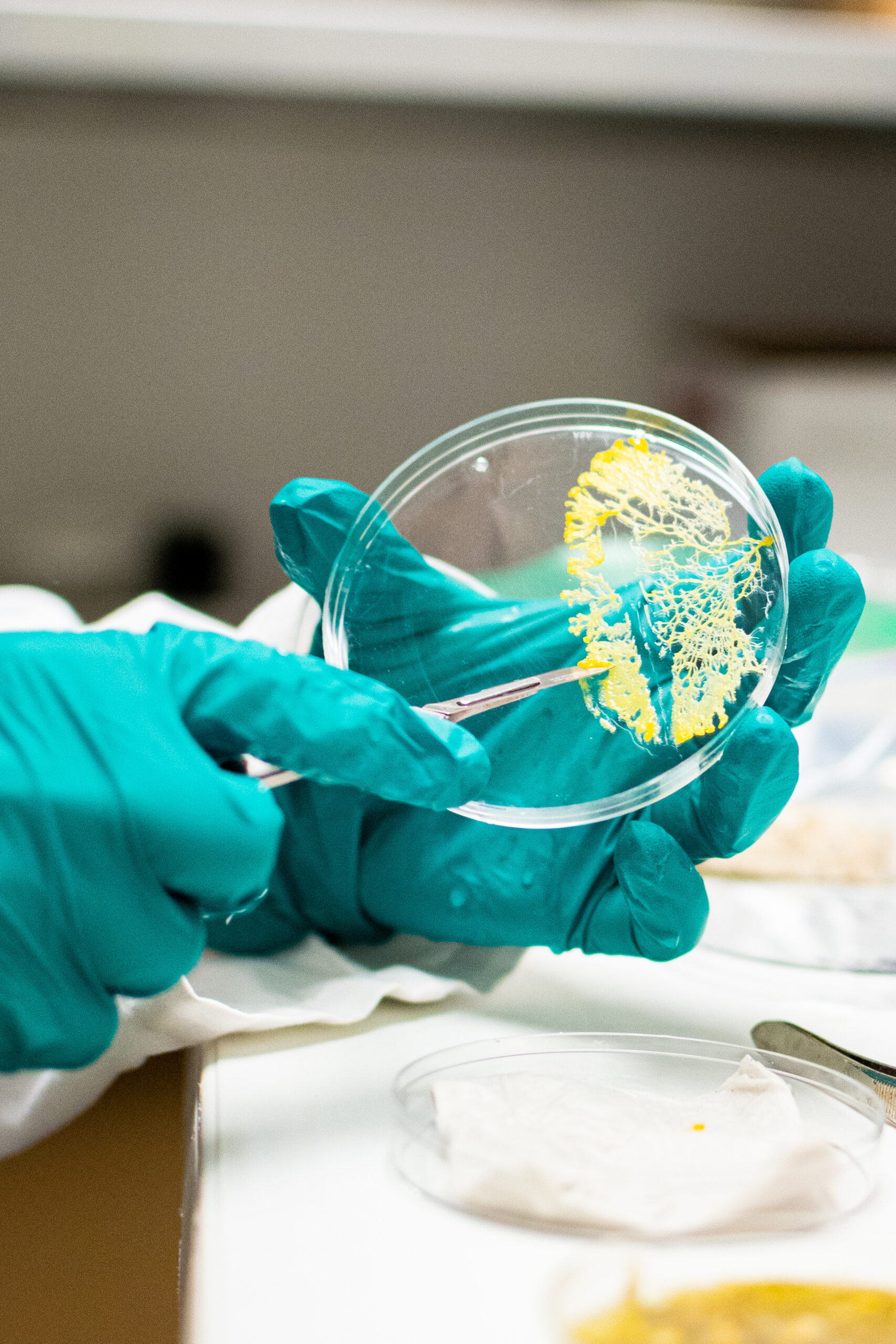
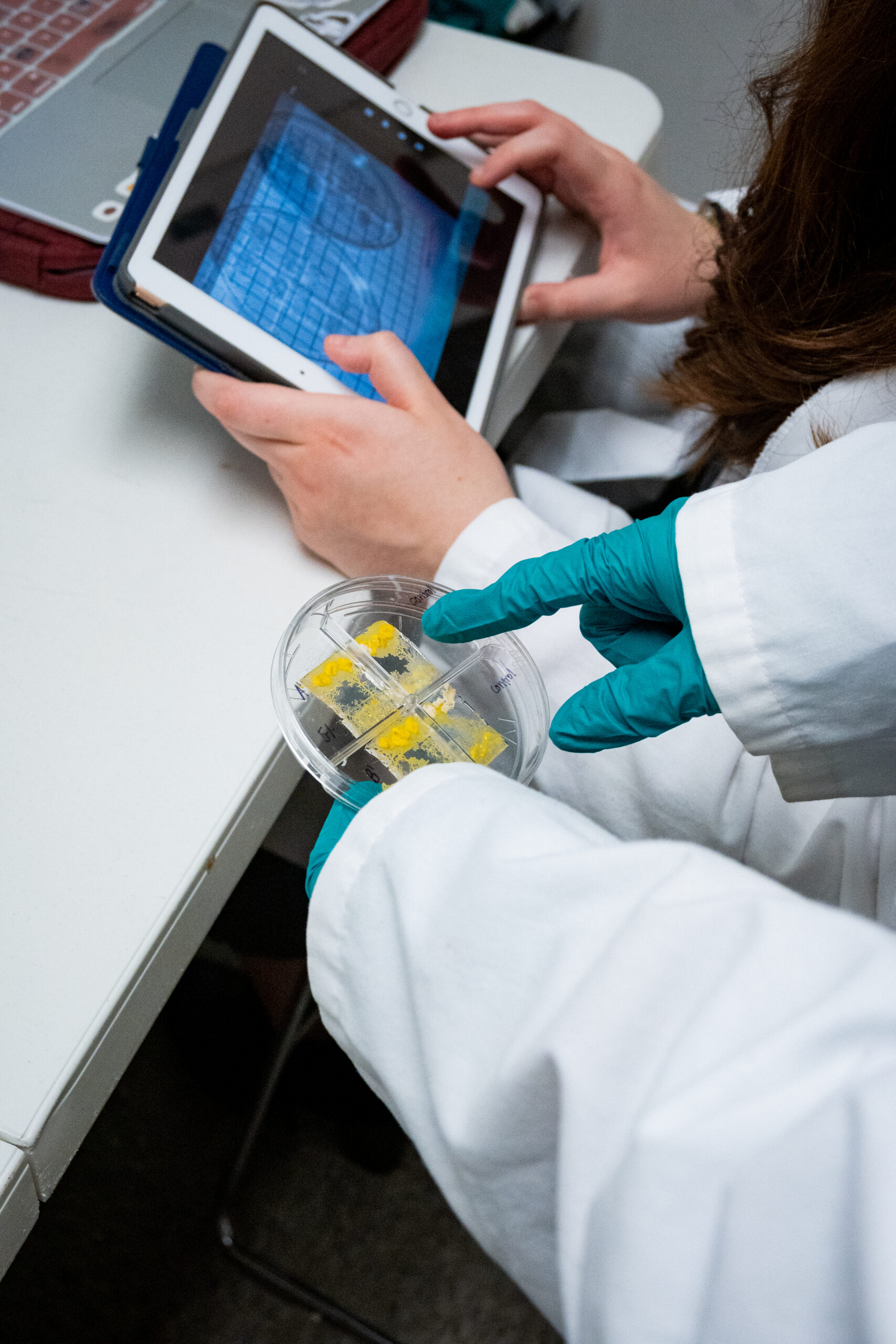
Physarum polycephalum (or slime mold) is a single-celled, multi-nuclei organism that does not possess a brain, yet it has been shown to learn and remember in a variety of situations. We are studying (re)consolidation in Physarum by training it to habituate to a repellant and then applying a variety of different agents to produce “amnesia” for that habituation.
RATS AND RECONSOLIDATION – PAST RESEARCH
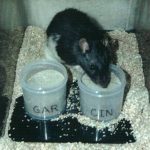
Researchers in our rat lab use appetitively-motivated tasks (i.e., odor discrimination task and sand maze) that require rats to dig for sweet cereal rewards. These tasks allow us to create instrumentally conditioned memories that can be manipulated via pharmacological agents (e.g., protein synthesis inhibitors and beta-adrenergic receptor antagonists) to examine boundary conditions for (re)consolidation.